

Rising shipping expenses continue to squeeze margins for small and mid-sized businesses. If you want to reduce these costs, you need a practical approach that covers packaging, carrier strategy, delivery expectations, and the right technology.
This guide shares actionable strategies on how to reduce shipping costs in 2026 to help your business control shipping rates and avoid unnecessary fees.
Table of Contents
- Optimize Your Packaging to Lower Dimensional Weight Charges
- How Can Negotiating Carrier Rates Save Your Business Money?
- What Shipping Speed Do Your Customers Actually Need?
- Technology and Automation Solutions for Shipping Efficiency
Optimize Your Packaging to Lower Dimensional Weight Charges
Packaging decisions play a bigger role in rising average shipping costs than many businesses realize. As carriers rely more heavily on dimensional weight pricing, the size of your package can matter just as much as what it weighs.
Understanding Dimensional Weight Pricing
Dimensional weight, or DIM weight, is how carriers account for the space your package takes up during transit. Instead of charging only by weight, carriers bill you based on whichever number is greater: actual weight or dimensional weight.
Most major carriers use this formula:
Dimensional weight = (length x width x height) ÷ DIM divisor
The DIM divisor varies by carrier and service level, but domestic shipments often fall between 139 and 166. For example, a box measuring 18 x 14 x 10 inches calculates to about 18 pounds using a 139 divisor. Even if the product inside weighs only 8 pounds, your shipping rate is based on the higher DIM weight.
Dimensional weight pricing typically applies to ground and air shipments through carriers such as UPS, FedEx, and USPS for larger packages. As shipping networks become more space-constrained, DIM pricing has become the standard.
Right-Sizing Your Packaging
Reducing package dimensions is one of the fastest ways to cut shipping costs. Even small adjustments can lead to meaningful savings when you ship at scale.
Using custom-sized boxes that closely match your product’s dimensions helps eliminate unused space. Many businesses rely on a limited range of box sizes, which often means paying to “ship air” at full price. Introducing more box size options or using made-to-order packaging reduces wasted space and lowers DIM weight charges.
Packaging optimization software can further improve efficiency by analyzing order data and recommending the smallest possible box for each shipment. These tools often connect directly to your warehouse management system and shipping software, automating box selection at packing stations.
Void fill packaging materials also affect dimensional weight. Removing unnecessary padding, while still protecting products, helps keep package size under control. For soft goods such as apparel or linens, poly mailers are often far cheaper to ship than boxes and typically avoid dimensional surcharges altogether.
Even modest size reductions add up. Cutting just one or two inches from each side of a box can lower DIM weight by several pounds. For example, reducing a box from 14 x 10 x 8 inches to 12 x 9 x 7 inches drops the dimensional weight by nearly 3 pounds under most carrier formulas. At an average savings of $2-$4 per shipment, a business shipping 500 orders per month could reduce shipping costs by $12,000-$24,000 per year.
How Can Negotiating Carrier Rates Save Your Business Money?
Many businesses assume carrier rates are fixed. That’s rarely the case. Negotiation plays a major role in reducing shipping rates, especially when you understand your shipping profile and present your data clearly.
Leveraging Your Shipping Volume
Carriers determine discounts based on volume, consistency, and shipping patterns. Even if your volume is moderate, regular shipping can still qualify for better rates when backed by solid data.
Before entering negotiations, you should gather key metrics such as monthly shipment counts and average package weight. You also need a clear view of service-level usage and destination zones. Using this information, carriers can assess risk and profitability, which directly influences the discounts they’re willing to offer.
If your shipping volume is lower, negotiation is still possible through alternative approaches. Pooling volume across multiple brands, joining shipping cooperatives, or partnering with a third-party logistics provider (3PL) can unlock discounted rates you wouldn’t be able to secure on your own.
Preparation makes a difference. When you approach negotiations with well-organized data and realistic expectations, you’re far more likely to walk away with better terms.
Multi-Carrier Strategy Benefits
Relying on a single carrier limits your negotiating power. It also increases your exposure to rate hikes or service disruptions. Adopting a multi-carrier strategy introduces competition, which often leads to lower shipping costs.
Comparing rates across USPS, UPS, FedEx, and regional carriers can reveal meaningful price differences based on package size, destination, and delivery speed. USPS often performs well for lightweight residential deliveries, while regional carriers can be more cost-effective for short-distance ground shipments.
Splitting shipment volume strategically strengthens your negotiating leverage. You can assign certain service types to specific geographic regions based on cost and reliability. That flexibility discourages carriers from imposing unfavorable pricing, since they risk losing volume to competitors.
Using more than one carrier also helps maintain service continuity during peak seasons or unexpected disruptions.
Working With a 3PL for Better Rates
3PL providers negotiate carrier contracts using the combined shipping volume of all their clients. That collective volume gives 3PLs access to deeply discounted shipping rates that individual businesses cannot get on their own.
Fulfillment partners like AMS Fulfillment pass these savings directly to clients while also managing rate audits, invoice discrepancies, and claims. They reduce administrative burden and prevent overcharges from quietly cutting into your margins.
Beyond rate discounts, 3PLs stay up to date on pricing changes, surcharges, and service updates. With their expertise, you can avoid costly mistakes and adapt quickly when shipping conditions shift.
What Shipping Speed Do Your Customers Actually Need?
Most businesses overspend on shipping because they assume customers demand fast delivery. In reality, customer expectations are often more flexible, especially when delivery timelines are clear.
Balancing Speed and Cost
In many cases, faster shipping is assumed rather than required. While two-day shipping has become common, customer behavior data shows that reliability and transparency often matter more than speed alone.
Customers are typically willing to wait longer when delivery timelines are clearly communicated. Ground shipping that arrives in four to five days often meets customer expectations just as effectively as expedited options, as long as the estimated delivery date is accurate and visible at checkout.
The cost difference between shipping speeds is substantial:
- Two-day or expedited shipping can cost two to three times more than ground service, especially for heavier or long-distance packages.
- Three-day shipping usually lands somewhere in between, offering modest speed improvements at a lower premium than two-day delivery.
- For many orders, ground shipping provides the best balance between cost control and customer satisfaction.
Giving customers multiple shipping options at checkout lets them choose what matters most to them. Showing clear prices for ground, two-day, and three-day shipping encourages informed decisions and reduces pressure on businesses to subsidize faster services.
Reserve expedited shipping for situations where speed truly matters. These include perishable goods, such as fresh meal kits that must arrive within a narrow delivery window, or high-value electronic items that require fast, reliable handling.
Setting Realistic Delivery Expectations
Accurate delivery estimates reduce customer inquiries and limit unnecessary upgrades to faster shipping. Transit time calculators help you communicate realistic delivery windows based on carrier performance and destination. Using this data at checkout replaces vague estimates with timelines that customers can trust.
How you phrase delivery messaging also matters. “Delivery by Friday” feels clearer than “ships within two business days,” which can create uncertainty. Clear expectations reduce anxiety and prevent customers from selecting faster shipping out of caution rather than necessity.
When you’re transparent about delivery times, you can keep shipping costs down without hurting customer satisfaction. Customers who know what to expect are less likely to request expedited shipping they don’t actually need.
Technology and Automation Solutions for Shipping Efficiency
Technology plays a major role in minimizing shipping costs. Automation reduces errors, supports better decisions, and helps your team handle more volume without adding labor costs.
Shipping Software and Rate Shopping
Multi-carrier shipping software compares shipping rates in real time across multiple carriers. These platforms automatically select the most cost-effective option based on destination, delivery time, and package size.
Automated carrier selection removes guesswork and ensures that each shipment uses the lowest available rate that still meets delivery requirements. Batch processing improves efficiency further by allowing teams to label and ship multiple orders at once.
Shipping software also centralizes reporting, making it easier to analyze trends and identify opportunities to reduce shipping costs over time.
Address Validation and Accuracy
Even with optimized shipping speeds and clear delivery expectations, shipments can still incur unnecessary costs if addresses are incorrect. Failed deliveries frustrate customers and lead to re-shipping expenses that often exceed the original shipping cost.
Address validation tools can help you verify and standardize addresses before shipments leave the warehouse, thereby reducing delivery errors. Standardized address formatting improves carrier acceptance rates and ensures packages reach customers on time.
The savings from address validation are easy to measure. Preventing even a small percentage of failed deliveries reduces reships, refunds, and customer service interventions. For example, if you ship 1,000 packages per month and 2% are returned due to incorrect addresses, reshipping and handling could cost about $500 per month, assuming a $25 charge per failed delivery. Eliminating those errors saves $6,000 per year.
Returns Management Optimization
Returns are a hidden but significant driver of high shipping costs. Inefficient reverse logistics increase labor, shipping, and handling expenses, quickly eroding profits. Optimizing returns requires a disciplined approach that controls costs and eliminates unnecessary processing.
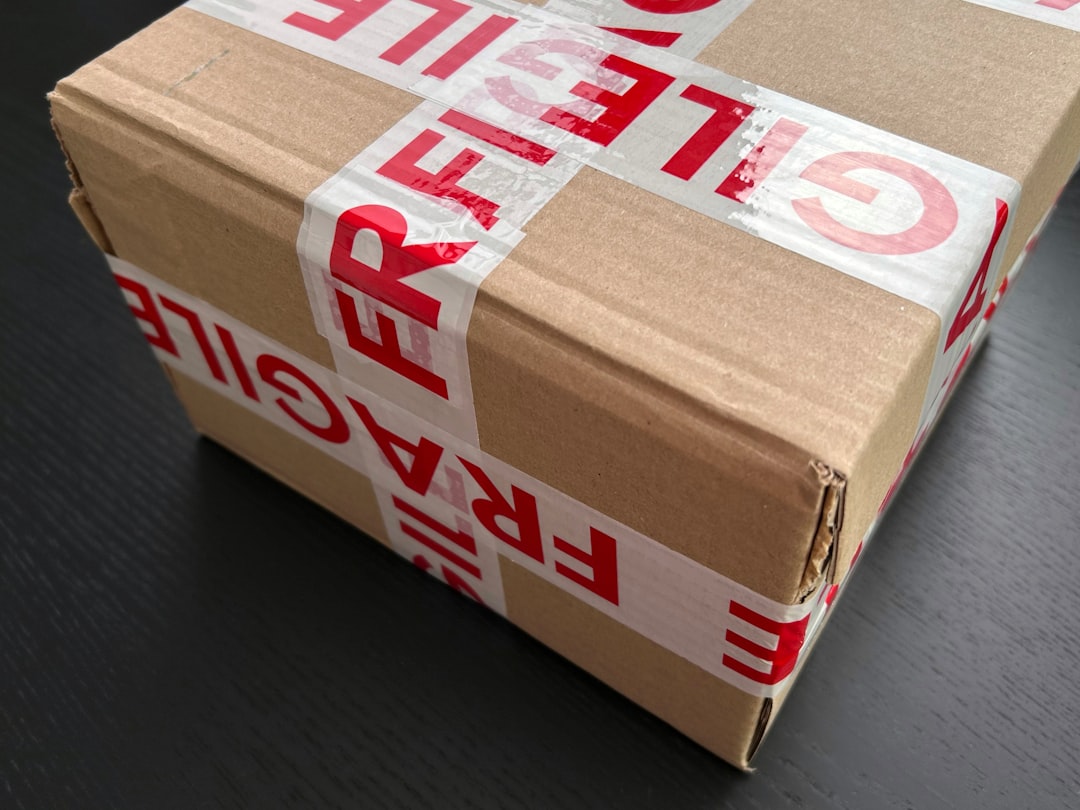
Some key strategies you can use to reduce the impact of returns include:
- Analyze reasons for returns: Identify preventable issues, such as incorrect product descriptions, sizing errors, or damaged packaging, to reduce unnecessary returns.
- Implement efficient workflows: Streamline reverse logistics with dedicated return stations and clear routing procedures. Automated tracking can also lower labor and shipping prices.
- Consider returnless refunds for low-value items: For inexpensive products, issuing a refund without requiring the item to be returned can save money on shipping and restocking while maintaining customer satisfaction.
- Evaluate each return individually: Will it be more cost-effective to ship, restock, or refund an item? Determine the most economical approach for each scenario.
Businesses that apply these strategies can minimize return-related shipping expenses and reduce labor, which leads to a lower total cost of fulfillment.
Partner With a Reputable 3PL Provider to Reduce Shipping Costs
Learning how to reduce shipping costs in 2026 requires focused attention on packaging, carrier strategy, delivery expectations, and technology. When you right-size packaging, negotiate rates, choose realistic shipping speeds, and use automation, you can lower shipping costs without sacrificing service quality.
Contact AMS Fulfillment today to learn how scale, expertise, and operational efficiency can help you reduce shipping costs.
FAQs
What is the single most effective way to reduce shipping costs immediately?
Optimizing your packaging to reduce dimensional weight charges typically provides the fastest ROI. Even small reductions in box size or switching to poly mailers for soft goods can lower shipping fees across every order. These adjustments instantly reduce costs without affecting delivery speed or customer experience.
Should I offer free shipping to customers?
Offering free shipping can boost conversion rate and encourage large orders, but it’s important to protect your margins. Build shipping costs into your product pricing, or set minimum order thresholds so that only orders above a certain value qualify. This way, you can provide the appeal of free shipping without absorbing excessive costs.
How can a fulfillment partner like AMS Fulfillment help reduce my shipping costs?
3PL partners like AMS Fulfillment provide cost advantages by leveraging pre-negotiated carrier discounts through collective shipping volume. Strategically located warehouses reduce transit distance, while advanced shipping technology helps optimize carrier selection and packaging. Working with a 3PL also removes the burden of managing warehousing internally, which lowers overall fulfillment costs.