

According to the 2025 Annual Third-Party Logistics Study, 68% of shippers say that working with a third-party logistics (3PL) provider improves fulfillment effectiveness. But not all 3PL partners deliver the same results; you must pick the right fit for the relationship to be successful.
This guide shows you exactly how to choose a 3PL provider. You’ll also get a simple 3PL selection checklist to help you pick a partner quickly and confidently.
Table of Contents
- What Services Should Your 3PL Provider Offer?
- How Do You Evaluate a 3PL’s Technology and Integration Capabilities?
- What Are the Key Cost Considerations When Choosing a 3PL?
- How Important Are Location and Shipping Zones?
- The 3PL Selection Checklist
What Service Offerings Should Your 3PL Provider Have?
Your 3PL provider should cover what you need today and in the future (as your business grows over time). Here are the essential services to look for.
Warehousing and Storage Capabilities
When it comes to warehousing, key capabilities to look for in a third-party logistics company include:
- Climate-controlled storage protects sensitive products from extreme heat, cold, or humidity.
- Scalable warehouse space enables increasing inventory based on business growth without facing storage capacity issues.
- Multiple warehouses in different locations help you distribute inventory closer to your customers, speeding up shipping.
- Secure storage facilities protect your inventory from loss, damage, and theft.
Order Fulfillment Services
The right logistics provider handles the entire fulfillment process from order to delivery. When an order comes in, the provider picks it from storage, packages it securely, labels it for shipping, and hands it off to the carrier.
Other fulfillment services your 3PL partner should provide include:
- Bundling or assembling related products into one order (kitting)
- Custom packaging for branded unboxing experiences
Your 3PL provider’s order fulfillment process should support same-day or next-day shipping to meet customers’ fast delivery expectations.
Inventory Management
Your 3PL company should let you track inventory levels in real time and send automatic alerts when your stock falls below a minimum threshold. That way, you can reorder inventory in time to avoid stockouts.
The right partner also provides forecasting tools to predict demand. As a result, you can properly adjust inventory levels during peak and off-peak seasons.
If your products come in multiple variations, pick a logistics company that offers Stock Keeping Unit (SKU) management. Each product version, such as a different color or size, will have a unique code, making inventory tracking quick and easy.
Returns Management (Reverse Logistics)
When a customer initiates a return, your 3PL provider should receive the item quickly, ship a replacement if needed, and then inspect the return. Sellable products are returned to stock, while repairable ones are refurbished. If returns are damaged beyond repair, your logistics company handles disposal.
Tip: Your 3PL provider should adapt to your reverse logistics rules rather than forcing you into a fixed returns process.
Value-Added Services
In addition to core fulfillment services, your logistics partner should offer helpful add-ons that you can access on demand:
- Quality control inspections
- Product labeling and compliance; for example, preparing packages to meet strict Fulfillment by Amazon (FBA) requirements
- Subscription box fulfillment
- International shipping and customs support
How Do You Evaluate a 3PL’s Technology and Integration Capabilities?
When assessing the technology of your 3PL partners, consider software integration, real-time visibility, automation capabilities, and mobile accessibility.
Software Integration Requirements
Through built-in integrations or application programming interfaces (APIs), your 3PL provider’s tools should connect to the eCommerce and business technologies you already use for easy automation. Check for:
- Compatibility with your e-Commerce platform (Shopify, WooCommerce, Magento)
- Seamless integration between the 3PL provider’s warehouse management system (WMS) and your enterprise resource planning (ERP) software
- Integration with your online marketplaces, such as Amazon and eBay
Real-Time Visibility and Reporting
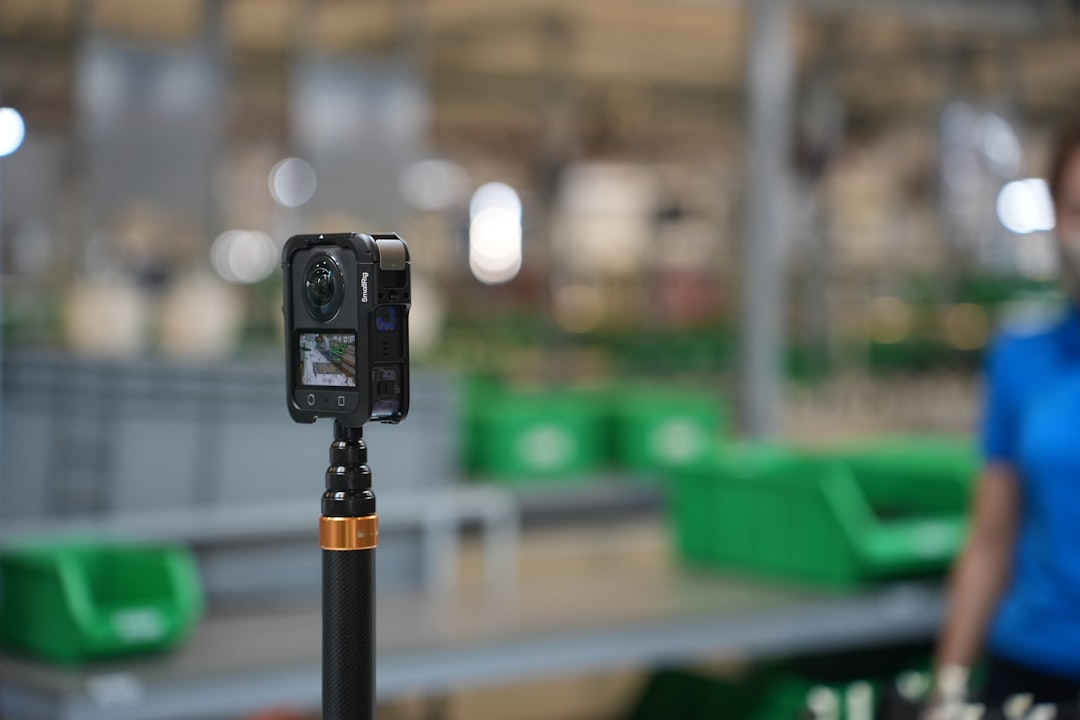
Choose a logistics company with technology that lets you monitor stock levels across warehouses in real time.
The tools should also enable tracking order status throughout the fulfillment journey. That could mean live dashboard updates or automated alerts that get triggered as a product moves from processing (picking and packing) to shipping.
You should also have access to fulfillment reports and analytics. Customizing them to your needs should be easy since each business may track fulfillment success differently.
Automation Capabilities
Automation speeds up processes and reduces errors related to manual work. The right 3PL company uses tools that can automatically:
- Route orders to the fulfillment location nearest to the customer
- Update stock levels hourly, daily, or even in real time to avoid overselling and inventory discrepancies
- Generate shipping labels to speed up dispatch and reduce shipping address errors
- Push order-tracking details to your sales channels in real time for full visibility
Mobile Accessibility
3PL providers with mobile apps make it easy to monitor inventory remotely on your phone and receive real-time alerts from their fulfillment systems.
What Are the Key Cost Considerations When Choosing a 3PL Provider?
Working with a 3PL company is more affordable than fulfilling orders in-house. However, third-party logistics costs vary depending on pricing structures and carrier relationships.
Understanding 3PL Pricing Structures
The main 3PL costs include:
- Order fulfillment fee: It’s usually charged per order or as a flat monthly rate.
- Storage charges: Warehousing costs may be per pallet, per cubic foot, or per unit.
- Inbound processing fees: Costs for accepting, inspecting, and organizing your inventory at the 3PL warehouse.
Choose a 3PL provider with a transparent pricing structure. Watch out for hidden fees, such as software integration charges and account management fees.
Shipping Costs and Carrier Relationships
3PL companies that ship products at scale can negotiate discounted carrier rates, helping reduce your shipping costs.
Additionally, carriers divide shipping destinations into numbered zones based on the distance from the origin. The lower the zone number, the lower the shipping cost. With multiple warehouses, a 3PL partner like AMS Fulfillment can store inventory closer to customers, so orders ship from lower-cost zones.
If you want to sell globally via 3PL fulfillment, clear international shipping and customs handling charges can prevent unexpected fees. Your logistics partner should also allow you to use your own carrier accounts, especially if you’ve already secured better shipping rates.
Additional Service Fees
Logistics partners often charge extra fees for:
- Special handling (fragile, oversized, or hazardous products)
- Kitting and assembly
- Returns processing
- Long-term storage for slow-moving inventory
Minimum Volume Requirements
Some 3PL providers have monthly order or storage minimums, meaning you’ll pay a baseline fee even if your actual order or storage volume falls below the minimum.
In such cases, make sure your contract with a logistics provider doesn’t lock you into a long-term commitment that’ll be unsuitable as your business needs evolve. It should be easy to scale 3PL offerings up or down based on inventory, order volume, and seasonal demand, all without paying for unused services.
Calculating Your Total Cost of Ownership
When considering 3PL costs, it’s easy to focus solely on pricing. But the total cost of working with a logistics partner includes everything that affects your fulfillment process, directly and indirectly.
Compare multiple 3PL quotes using consistent metrics, such as order volumes and storage capacity, to identify the most affordable options. After that, check integration and onboarding costs. Some 3PL providers offer low rates, but setting up or integrating their tools with your existing systems can be costly.
When evaluating the return on investment (ROI) of 3PL services, look beyond the per-unit prices. Factor in soft benefits, such as time saved, reduced errors, high inventory accuracy, and improved customer satisfaction.
How Important Are Location and Shipping Zones?
The location of 3PL warehouses determines how quickly you deliver orders to customers.
Strategic Warehouse Positioning
3PL companies like AMS Fulfillment use bicoastal warehouses, keeping inventory close to customers on both the East and West coasts of the U.S. This strategic positioning ensures most orders reach end consumers within two days via ground shipping.
Shipping Speed and Customer Expectations
Most online shoppers expect deliveries within two or three days, while some prefer same-day delivery. 3PL providers with strategically located warehouses reduce shipping costs and speed up delivery to meet customer expectations.
Multiple, distributed warehouses also ensure that all orders from a buyer are available in the closest fulfillment location. This prevents dispatching multiple orders from the same customer separately.
Geographic Expansion Opportunities
3PL companies with multiple warehouses locally and globally enable you to:
- Scale eCommerce fulfillment to new regions as your business grows
- Use distributed inventory strategies to speed up delivery and reduce shipping costs
- Enjoy cross-border shipping expertise, like customs handling, offered by 3PL companies
The 3PL Selection Checklist
Looking for a suitable logistics company? Use this quick checklist to choose a 3PL provider that meets your operational needs.
Services and Capabilities
Select a logistics partner that meets the following standards:
- Warehousing capacity matches your current and projected storage needs
- Pick and pack services align with your product types (for example, specialized packing for fragile items)
- Reverse logistics capabilities that handle customer returns quickly
- Value-added services, such as kitting and custom packaging
- International shipping support for global fulfillment
Technology and Integration
Here’s what to consider when evaluating your logistics partners’ technologies:
- Seamless integration with your e-commerce platform
- Real-time inventory visibility and order tracking
- Automated order processing to reduce manual work
- Robust reporting and analytics tools
- Remote access via dashboard or mobile app
Costs and Pricing
Look for a clear, predictable pricing model when assessing the cost of working with a 3PL.
- Transparent pricing structure
- Competitive fulfillment and storage rates
- No hidden fees or unexpected charges
- Reasonable minimum inventory volume requirements
- Flexible contract terms
Location and Shipping
Choose a 3PL company with:
- Strategically located warehouses close to your customer base
- Swift order processing that supports fast shipping, such as 2-day ground coverage
- The ability to negotiate discounted carrier rates
- Multiple shipping options locally and internationally
Reliability and Support
To partner with a dependable 3PL provider, look for:
- Proven industry reputation and references
- High order accuracy rates (99.5% or higher)
- Dedicated account management
- Responsive and accessible customer support
- Ability to scale logistics services as your business grows
Compliance and Security
Consider the following when evaluating a 3PL company’s compliance and security:
- Relevant industry certifications
- Adequate insurance and liability coverage
- Strong data security measures
- Support for regulatory requirements specific to your products
The Right 3PL Provider for All Your Fulfillment Needs
When selecting a 3PL provider, make sure the company offers all the logistics services you need. Your logistics partner should also have strategically located warehouses to speed up shipping.
Talk to an expert to see how AMS Fulfillment’s bicoastal fulfillment centers hasten delivery and improve supply chain management.
FAQs
Can I use multiple 3PL providers simultaneously?
Yes, many growing businesses use multiple 3PL providers to optimize for different regions, product types, or sales channels. AMS Fulfillment has bicoastal locations, making it more convenient to stick to one provider.
What order volume do I need to justify using a 3PL provider?
There’s no universal threshold, but many 3PLs work with businesses shipping as few as 100 to 200 orders per month. This depends on whether outsourcing costs less than in-house fulfillment.
How long does it take to onboard with a new 3PL provider?
Onboarding timelines vary by business complexity but typically range from two to six weeks. This includes system integration, inventory transfer, staff training, and testing.