
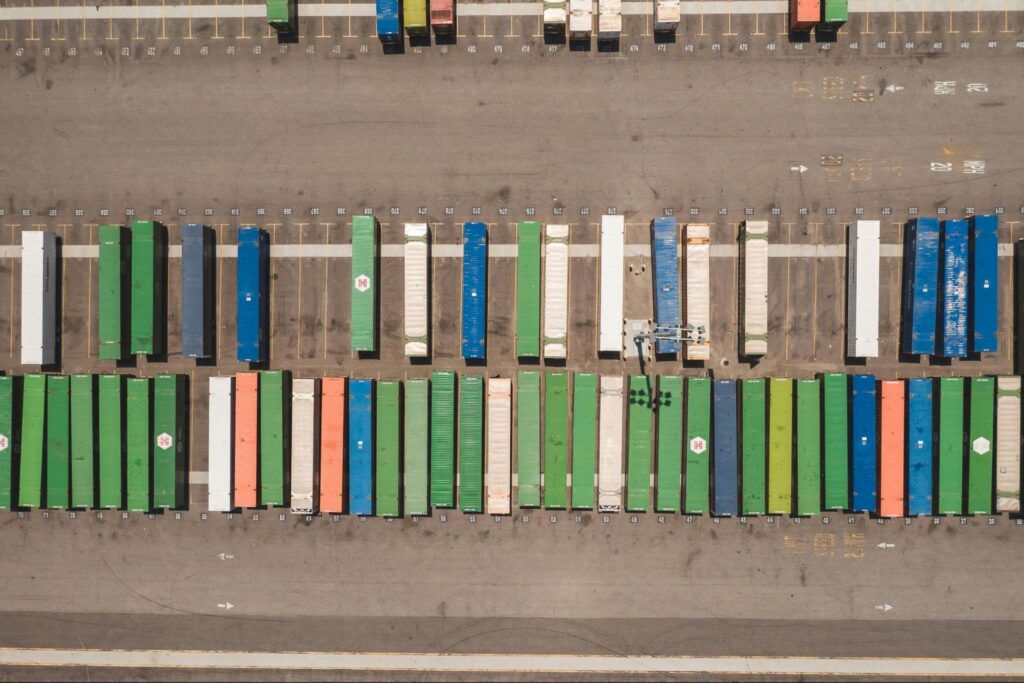
In this article, we explain exactly what 3PL (third-party logistics) is. We look into what a 3PL provider offers its client partners. We discuss supply chain operations and describe the tasks a third-party logistics provider handles. We go into the benefits of partnering with 3PL providers, and we point out the differences between outsourced logistics and in-house fulfillment. Finally, we review supply chain management and discuss the hidden costs of fulfilling orders in-house.
Table of Contents
- What Is Third-Party Logistics?
- What are the Key Benefits of Using a 3PL Provider?
- When Should Your Business Consider 3PL Services?
- 3PL vs. In-House Fulfillment: Which Is Right for You?
- Final Thoughts
- FAQs
What Is Third-Party Logistics?
What is 3pl? We know that the acronym stands for third-party logistics, and we’ll do our best to define what this type of company is. In 3PL, what are the three parties that make up the entire supply chain operations?
The first party would be the company selling the products. This company might also manufacture the product, but what makes them a party is the selling of the product. The second party would be the customer who buys the product, oftentimes through eCommerce. The third party is the company that warehouses the product and fulfills the order, picking, packing, and shipping the product to the customer. Otherwise said, the 3PL does logistics management, managing the logistics between the first party and the second party, making it a provider of third-party logistics.
Businesses that have been warehousing and filling orders out of their own ‘in-house’ operation often realize that there are some distinct advantages of outsourced logistics, especially if that provider offers exactly the services they need.
What are the most common services of a 3PL? Every client of a 3PL will be looking for warehousing, inventory management, receiving orders, picking and packing of items, and shipping the package to the customer. After those basic logistics management services, a full-service company like AMS Fulfillment will offer value-added services like assembly, kitting, returns management, customer service, custom labeling, wholesale and brick-and-mortar selling channels, retail routing, and more, such as engraving, custom packaging, last-mile shipping, and basically whatever is needed to get the job done to perfection.
Companies choose to work with a 3PL for a number of reasons. By finding an outsourced logistics provider, the company frees up internal resources. Another very impactful reason is that the fulfillment service has specialized expertise, advanced technology, and can also adjust quickly and easily to changes.
What are the Key Benefits of Using a 3PL Provider?
The first benefit of utilizing a third-party logistics provider is that the seller is free of the expense of operating their own warehouse, buying equipment, hiring staff, and running their own fulfillment operation. Working with a fulfillment partner eliminates the cost of in-house fulfillment. Utilizing a 3PL offers a financial benefit to the company.
A second benefit is scalability. The fulfillment provider can easily scale operations up or down, utilizing logistics management based on seasonal demand and business growth. In-house fulfillment is not able to scale up or down with ease, whereas a 3PL utilizes a top-notch inventory management system. Quickly scaling a client’s operation is just part of serving the client. The warehousing and staffing of a fulfillment center are easily adjusted.
Quicker order processing is another key benefit of utilizing a third-party logistics provider. Not only will the warehouse receive the order and process the order quickly and efficiently, but the 3PL will also work with transportation services to get the product shipped and delivered to the customer quickly and efficiently. For example, AMS Fulfillment negotiates discounts from the best transportation services, and the client enjoys the cost savings. AMS has developed a technology called RateLogic, which streamlines the carrier selection process and chooses the best carrier based on cost and delivery time.
The most often mentioned benefit is that outsourcing the warehousing and fulfillment to a third-party logistics process allows the company to focus on its core business. Internal teams can concentrate on product development, marketing, and sales, which will likely lead to greater success and growth for the company.
Utilizing a lead logistics provider will reduce the complexity of doing business, and this is considered a key benefit as well. The company will no longer carry the burden of inventory management across multiple locations.
What these key benefits lead to is enhanced customer satisfaction. When the product the customer ordered is shipped quickly, and the order is accurate, this brings satisfaction. Faster shipping, accurate orders, and professional handling lead to happy customers.
Finally, the company that partners with a 3PL such as AMS Fulfillment gains access to the expertise that comes with years in the business. The logistics professionals at AMS have deep industry knowledge and experience in supply chain management. AMS has been serving clients, including eCommerce and B2B clients, for more than twenty years.
At AMS Fulfillment, our clients experience all of the key benefits mentioned above. Our mid-size full-service fulfillment service operates on both the East and West coasts, which gives our clients a closer proximity to their customers, thus speeding up supply chain operations. AMS is a full-service omnichannel fulfillment company, supporting whatever service needs arise across eCommerce, wholesale, and brick-and-mortar selling channels, including returns management, value-add/kitting services, retail routing, and much more.
When Should Your Business Consider 3PL Services?
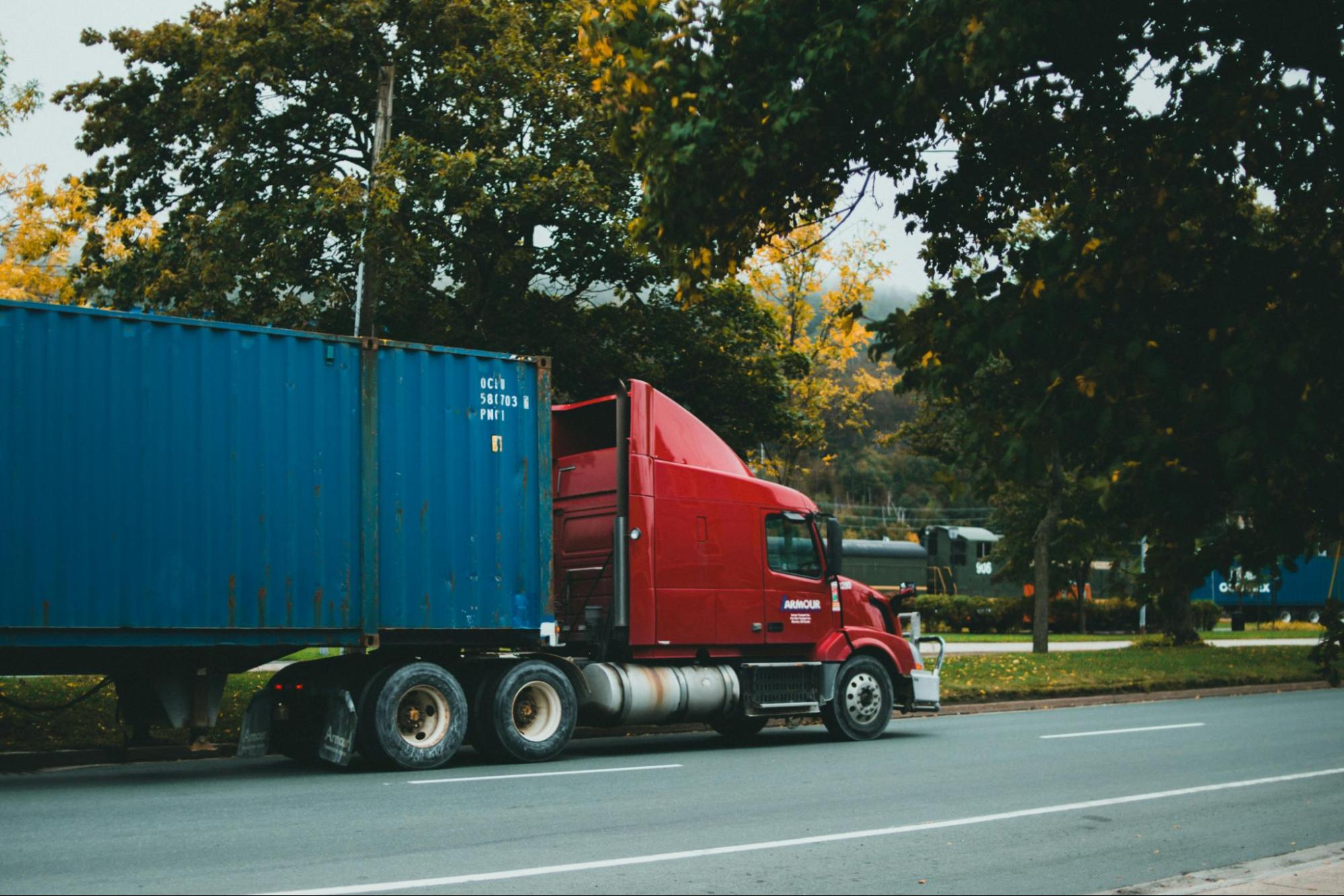
If a company is experiencing rapid sales growth and its growth is outpacing its in-house logistics operations capacity, partnering with a third-party logistics provider makes a lot of sense. The third-party logistics company has expertise and the capacity to grow rapidly with the company. Rapid sales growth outpacing current fulfillment capacity is a perfect time to look for and choose a 3PL to handle fulfillment for the company.
If a company utilizes multiple sales channels, it will have to deal with a great deal of complexity in inventory management. A third-party logistics service is easily able to deal with the complexity of multiple sales channels, and this is simply one of the reasons to consider a third-party logistics partner like AMS Fulfillment.
Another logistics operations task handled with expertise by a 3PL is returns management. If a company is experiencing a high number of returns and experiencing reverse logistics demands, these tasks can be accomplished by a full-service fulfillment service, with the process handled by an experienced returns management team.
If a company experiences the need for multi-location or geographic expansion, this would be another reason to partner with a third-party logistics provider such as AMS Fulfillment. It is a true benefit to AMS’s clients to have inventory warehoused on both the West and East coasts.
Expert fulfillment services, logistics operations expertise, and resources are sometimes difficult for a company to do in-house. Lack of in-house logistics expertise or resources does not happen when a company partners with a full-service fulfillment provider.
Another reason why a business will partner with a professional third-party logistics provider is very apparent and common sense: the business can reduce capital expenditure on warehouse space and equipment, supply chain operations, and inventory management.
Seasonal fluctuations require flexible capacity, and there are times when a business doing in-house fulfillment will have difficulty with these fluctuations and its warehouse capacity. The fulfillment service, on the other hand, will be very experienced with handling seasonal fluctuations, and they will have the capacity to increase or decrease with ease.
A full-service third-party logistics company will be highly experienced at international shipping and cross-border fulfillment needs, whereas a business will likely not be experienced at the rules and regulations associated with transportation services and international shipping.
3PL vs. In-House Fulfillment: Which Is Right for You?
In making the decision on whether to attempt in-house fulfillment or partner with a third-party logistics company, the business would be wise to compare cost structures: fixed vs. variable expenses. What are the fixed vs. variable expenses when utilizing in-house fulfillment? The supply chain operations expenses will be clear.
There are a number of other issues that the business should look into when considering whether the company would benefit more from outsourcing fulfillment to a 3PL. The business should look into supply chain operations and analyze control and customization levels with each approach. AMS Fulfillment offers a hybrid approach with high customization.
What are the scalability and flexibility differences? Oftentimes, the conclusion is that the third-party logistics providers are much more able to scale and handle the changes, being as flexible as needed for the client partner’s success.
The business needs to evaluate the required capital investment and upfront costs, assess time-to-market and operational agility, and review risk mitigation and business continuity benefits. Once this is done, the business should create a comparison table or decision framework in order to make the most beneficial decision. They should, of course, highlight scenarios where 3PL excels vs. where in-house might be preferred.
If the decision is to avoid in-house and look into the third-party logistics option, we encourage the business to investigate a full-service fulfillment service. AMS Fulfillment is very much full-service, offering a hybrid approach with high customization. What that means is the fulfillment service responds fully to the unique needs of the business seeking a fulfillment partner.
The Hidden Costs of In-House Fulfillment
With in-house fulfillment, the business will need a large enough warehouse to handle its inventory, and it will need to hire people to manage the warehouse and all supply chain operations. That means there will be costs for real estate and facility management. In addition, the business will need to install a technology infrastructure and systems maintenance. These costs are to be expected.
The business will need to recruit, hire, and train a staff to handle the fulfillment tasks. The recruitment, training, and turnover will be a challenge that has to be faced. One of the more hidden costs is inventory obsolescence and shrinkage risks.
With all things considered, it makes sense to look into how a full-service fulfillment service like AMS can be the best choice, a welcome and needed change. AMS takes on the role of partner, provides supply chain management, and works toward the success of the business. Full-service includes returns management and numerous value-added services like gift wrapping, kitting, assembly, and so on.
Final Thoughts
We have answered the question, what is 3PL. We covered the subject of third-party logistics, explaining who the three parties are and the role of the fulfillment service in supply chain management. We looked into the benefits of utilizing a third-party logistics provider and discussed when a business should look for a 3PL partner. We looked into the hidden costs of in-house fulfillment and why companies choose to work with third-party logistics providers. Then we offered the following conclusion:
“With all things considered, it makes sense to look into how a full-service fulfillment service like AMS Fulfillment can be the best choice, a welcome and needed change.”
FAQs
How much does a 3PL typically cost?
Pricing varies based on volume, services, and location. Most 3PL providers charge per storage unit, per order processed, and per shipment. AMS Fulfillment offers transparent pricing tailored to your business needs. Request a quote to get accurate estimates.
What happens to my inventory if I switch 3PL providers?
A professional transition plan ensures all inventory is accurately counted, transferred, and reconciled. AMS Fulfillment specializes in smooth transitions and works with clients to minimize disruption during the switch.
Can a 3PL handle returns and reverse logistics?
Yes, most modern 3PL providers manage returns processing, restocking, and quality inspections. AMS Fulfillment handles comprehensive reverse logistics to streamline your return process and improve customer satisfaction.