
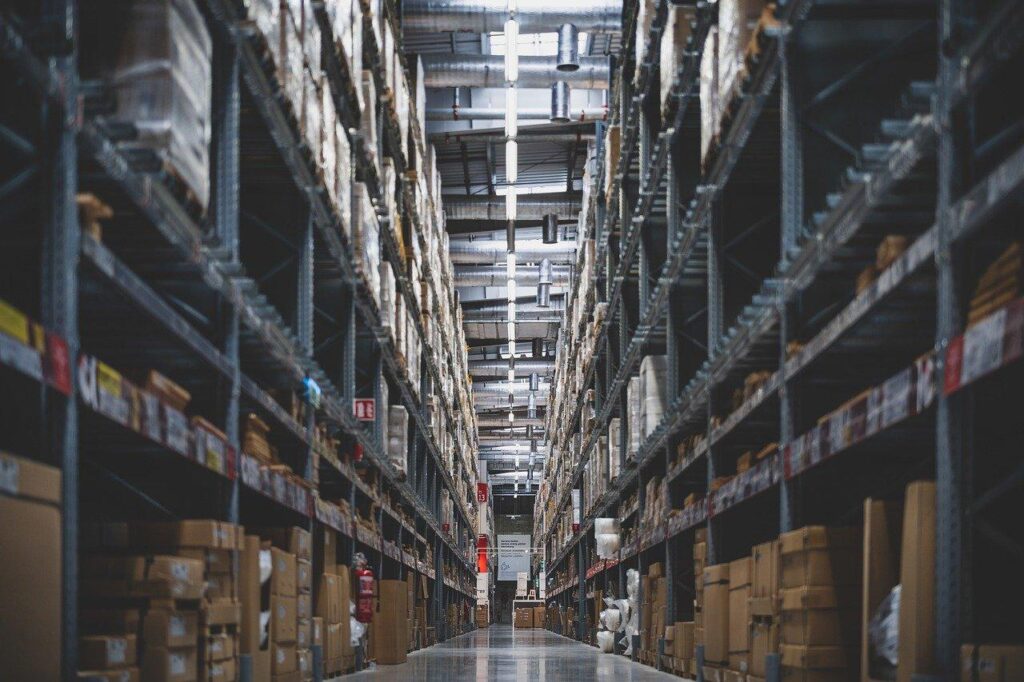
Complete inventory visibility means knowing where your inventory is, how much you have, and how quickly it’s moving, all in real time, across all sales channels and locations. That ultra-granular level of visibility is no longer optional but non-negotiable, especially in a market where customers want instant gratification and supply chain disruptions can decimate a quarter’s profits.
Real-time inventory visibility enables instant response to sudden demand spikes, vendor delays, or broken supply chain links. The ability to act on updated inventory data separates the well-oiled operations from those stuck putting out fires. When businesses have a clear picture of their inventory levels, they avoid more than stockouts; they also prevent waste, overhead bloating, and customer defection to the competition.
As 2025 continues, companies that stay ahead of inventory visibility challenges will have a competitive edge, while the rest will scramble. And with the right tools, systems, and people, your company can avoid the melee.
Benefits of Inventory Visibility
Tracking inventory levels allows you to:
- Reduce waste
- Improve order accuracy
- Optimize resource allocation
- Increase customer experience and satisfaction
- Respond faster to demand changes
- Avoid overstocking and stockouts
Real-time inventory visibility also saves money. Less overstock means fewer storage costs. Preventing stockouts keeps customers from walking away empty-handed (and straight into the competition’s arms). Fewer errors mean less rework and faster order fulfillment.
Other benefits include:
- Lower shipping costs from better routing decisions
- Shorter delivery times and higher customer retention
- Better operational efficiency
Inventory visibility cleans up logistics, but just as importantly, it builds trust. When customers get what they want when they want it, your company cultivates a reputation for reliability, which keeps orders coming in.
Improving Inventory Visibility
Maintaining a clearer picture of your inventory requires the right tools, smart processes, and people who know how to use them. Without all three, visibility gaps are inevitable and costly.
The first step is ditching the spreadsheets. A dedicated inventory management system provides the foundation you need to track inventory with precision. When paired with a warehouse management system and real-time tracking tools, you can monitor your exact inventory levels across multiple locations.
But technology alone isn’t the answer. Manual processes slow everything down and increase the risk of mistakes. Automating routine tasks like inventory updates and reorders reduces errors and preserves data accuracy.
Your staff also plays a huge role. If the people handling inventory don’t know how to use the systems or understand the importance of real-time data, your operational efficiency will tank.
Improving visibility means committing to accuracy, eliminating redundancy, and giving your employees the tools and training they need. When that happens, errors drop, orders move faster, and your customers stop seeing “out of stock” at checkout.
Common Inventory Management Challenges
Most inventory problems build up over time, usually because of bad estimates, broken systems, and a lack of cohesive inventory management.
Forecasting is often the first crack in the system. When demand projections miss the mark, your warehouse either overflows with products no one wants or runs dry when demand peaks. Either way, your sales take a hit, and so does your brand.
Inventory visibility challenges also wreak havoc. Delayed updates, missing data, or systems that don’t integrate can lead to backorders, late shipments, and frustrated customers. And once trust slips, it’s hard to win back your customers and restore your brand’s reputation.
Then there are the supply chain disruptions: weather events, vendor failures, and transportation delays, to name a few. Any of those can throw inventory levels off balance in no time, especially if you have no way to see problems coming.
The result is missed sales, overinflated costs, and a constant mad dash to catch up.
The Role of Inventory Management Systems
An inventory management system gives you a real-time window into which products are moving, which are stagnating, and what needs your immediate attention.
These systems automate updates, flag low stock, and sync across channels. They allow for fewer errors, faster processing, and more reliable data. Whether your company maintains a single warehouse or juggles inventory across a dozen locations, the right system enables you to see the entire picture.
Good inventory management systems also make it easier to spot patterns. They track what sells, how fast, and when, which helps with planning, purchasing, and keeping shelves stocked (but not overstocked).
With real-time inventory visibility, you don’t need to hold off on making decisions until someone can run a report or call a warehouse. With accurate numbers in front of you, you can act quickly and decisively, which could mean the difference between meeting a deadline or missing a shipment.
Demand Forecasting and Inventory Management
Forecasting demand is about using real data to make smart, timely decisions. When you get it right, you avoid the cost of storing stock overages and the inconvenience of running out.
Strong demand forecasting starts with analyzing historical sales data, but that’s only the beginning. Examine market trends, seasonality, and customer behavior, and you’ll get an even better picture. The more information you use, the more accurately you can predict what’s coming and plan inventory levels accordingly.
When forecasting and inventory management work together, your warehouse won’t overflow with dead stock. Products won’t disappear from shelves without warning. And warehouse operations will stop running in crisis mode. That stability becomes evident everywhere: fewer write-offs, smoother order fulfillment, lower warehousing costs, and happier customers.
Forecasting isn’t perfect, but with the right inventory management system in place, you can adjust in real time instead of reacting too late.
Inventory Tracking and Inventory Systems
Tracking inventory grounds your company in reality. Without it, product counts drift, shipments stall, and your team ends up relying on conjecture instead of facts.
With barcodes and RFID tags, tracking is faster and more accurate. Every scan updates your inventory data automatically, thereby reducing errors and delays. These systems enable you to monitor inventory movement across storage locations, sales platforms, and fulfillment centers in real time. Integrating your inventory system with other business tools, such as order processing and accounting software, streamlines things even further.
Tracking inventory also makes catching problems early easier. If a product keeps disappearing from stock without the sales to justify it, the system flags it. If an item moves too slowly, it’s easy to spot and adjust before it becomes rampant overstock.
The more accurate your inventory tracking, the fewer unpleasant surprises, and the more control you have over your company’s inventory levels, fulfillment performance, and customer satisfaction level.
Data Analytics and Inventory Management
This shouldn’t surprise you: good inventory decisions come from good data. If you don’t analyze your company’s inventory data, you’re essentially just guessing.
Inventory management systems collect a mountain of information, including sales velocity, seasonal trends, order patterns, and restock frequency. Data analytics takes that raw information and turns it into something useful. It shows you what’s working, what’s wasting space, and what needs adjusting.
By scrutinizing historical sales, you can spot patterns that aren’t always obvious. For example, you might not have noticed that demand for a particular product only spikes every four months, or that certain SKUs drop off immediately after a price change. Those insights matter. With them, you can set smarter reorder points, avoid overstock, keep customers happy, and stay ahead of demand fluctuations.
Analytics also help with demand forecasting. Instead of reacting to shortages or overflow, you can proactively use data to predict what’s to come and stay ready. When paired with real-time inventory visibility, analytics give you the full picture so you can make educated decisions.
Future of Inventory Management
Inventory management in 2025 already looks different than it did five years ago, and the changes aren’t slowing. The push toward automation, cloud-based platforms, and artificial intelligence (AI) is not a fad; you have to go with the flow, or you’ll drown amongst the technology adoption laggards.
AI-powered inventory management systems can spot trends more quickly and easily than any human can. They learn from past sales, supplier habits, and even weather patterns to predict customer demand and adjust inventory levels before anyone even notices a change. That speed keeps your stock balanced and your order fulfillment moving.
Cloud-based systems also remove the barriers that previously slowed everything down. You can log in from anywhere, access real-time inventory data, and make updates without chasing someone from another department down or waiting for a report to generate.
The future of inventory management will require a high level of agility. When inventory systems react instantly and provide real-time insights, it’s easier to keep up with customer demand and stay one step ahead of supply chain disruptions.
Technology won’t solve every problem, but it will better prepare and equip your company to deal with whatever comes next.
Measuring Inventory Management Success
If you’re not measuring, how can you expect to know what’s working? Inventory management isn’t a “set it and forget it” process; it needs regular check-ins, set benchmarks, and honest evaluations.
Key performance indicators do the heavy lifting. Inventory turnover indicates how swiftly any given product moves. Fill rate measures how often your company ships customer orders in full and on time. Customer satisfaction may be the most telling sign of all. If people keep buying from you and your reviews demonstrate their satisfaction, you’re doing something right.
Beyond tracking the numbers, it’s important to understand what they mean. A low turnover rate might point to overstock. A dip in fill rates could signal inventory data errors or supply delays.
Reviewing performance regularly also helps your company make adjustments when necessary. For example, you might notice a reorder point is too high or a particular product is trending out. By spotting issues early, you can stay in control and avoid bigger problems down the line.
Inventory management works best when it’s measured, reviewed, and refined on an ongoing basis.
Closing the Gaps in Inventory Visibility
Inventory visibility challenges will continue to rear their heads in 2025, especially for companies that rely on outdated systems or scattered data. The tools to clear these hurdles, however, are here, and they’re already working for companies that prioritize inventory visibility and inventory management.
When you have access to accurate inventory data, you can stop taking blind stabs at inventory numbers. A solid inventory management system allows you to stop chasing problems after they’ve already caused damage and change into a proactive mindset. And with the right tracking and analytics tools, you can respond to supply chain disruptions without losing time, money, or customers.
AMS Fulfillment helps B2B and B2C brands manage challenges like these every day. From real-time inventory visibility to warehouse management systems that support growth, we work with companies that are committed to getting it right.
If you’re tired of the guesswork and ready to track inventory with clarity and purpose, AMS Fulfillment is ready to help. Reach out to our team today.


